

TASAI VISTA Country Reports Published
April 5, 2022
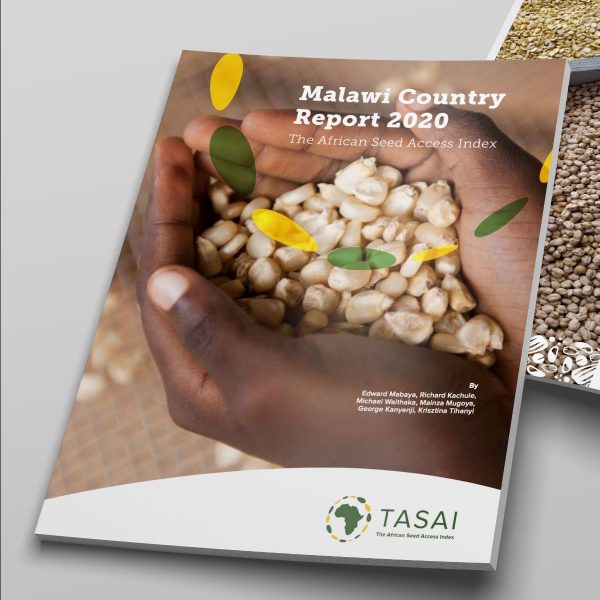
With support from the Bill and Melinda Gates Foundation, and in collaboration with Development Gateway, TASAI completed 2021 country studies in Burkina Faso, Ghana, Kenya, Malawi, Nigeria, Rwanda, Tanzania, and Uganda. The studies revealed that the eight countries are in the early growth to growth stages of seed sector development.
In Burkina Faso, seed policy instruments are not yet aligned with harmonized ECOWAS seed regulations. Despite this policy lag, seed growers in Burkina Faso expressed that they were satisfied with the enforcement of existing regulatory instruments, the adequacy of seed inspectors, and the government’s efforts to address the problem of counterfeit seed. In Ghana, Planting for Food and Jobs (PFJ) has spurred growth, competition, and entry in the market for certified seed. The number of varieties released has increased due to heightened demand for basic seed. However, Ghanaian seed growers registered dissatisfaction with the efficiency and speed of payment processes. In Kenya, 81 new varieties of the four crops were released following investments in breeding programs. 72% of the varieties had climate smart features to mitigate against drought. Kenya’s agro-dealer network is strong and well-linked. In Malawi, the following regulatory environment areas require improvement: (i) enforcing registration to produce basic seed, (ii) mandating trainings for agro-dealers before they commence business, and (iii) mandating registration and routine inspection of seed processing and storage facilities. In Nigeria, the number of active breeders grew from 24 in 2017 to 38 in 2019. Maize continued to lead in terms of the number of varieties released since 2015. Of the newly released maize varieties, 38% had climate-smart features. Rwanda’s shift towards private sector seed production and distribution is bearing fruits. Increases in trained and registered agro-dealers are also strengthening the country’s seed distribution system. The seed sector has an adequate number of extension agents at all levels of both central and local administration. Despite competition from parastatals and an absence of subsidies in Tanzania, the number of breeders, the number varieties released, and the competitive market support high growth potential for maize seed. While over 70% of the seed market is controlled by the private sector (with maize and soya bean encompassing over 90% of market shares), government entities control larger market shares in the rice seed market (82%). In Uganda, 60% of the maize varieties listed in the national catalogue were released through the COMESA system. The release of regionally adaptable varieties has increased Ugandan farmers’ access to improved seed and has saved on lengthy variety development processes. However, regular committee meetings, the standardized test costs, and digitized processes can speed up variety release and registration even further.
In close collaboration with the national actors, TASAI convened dissemination workshops between April and December 2021 in the eight countries to share the findings of their respective country reports before they were published.