
TASAI Niger Dissemination workshop
February 21, 2023
First-ever TASAI Country Study in Niger
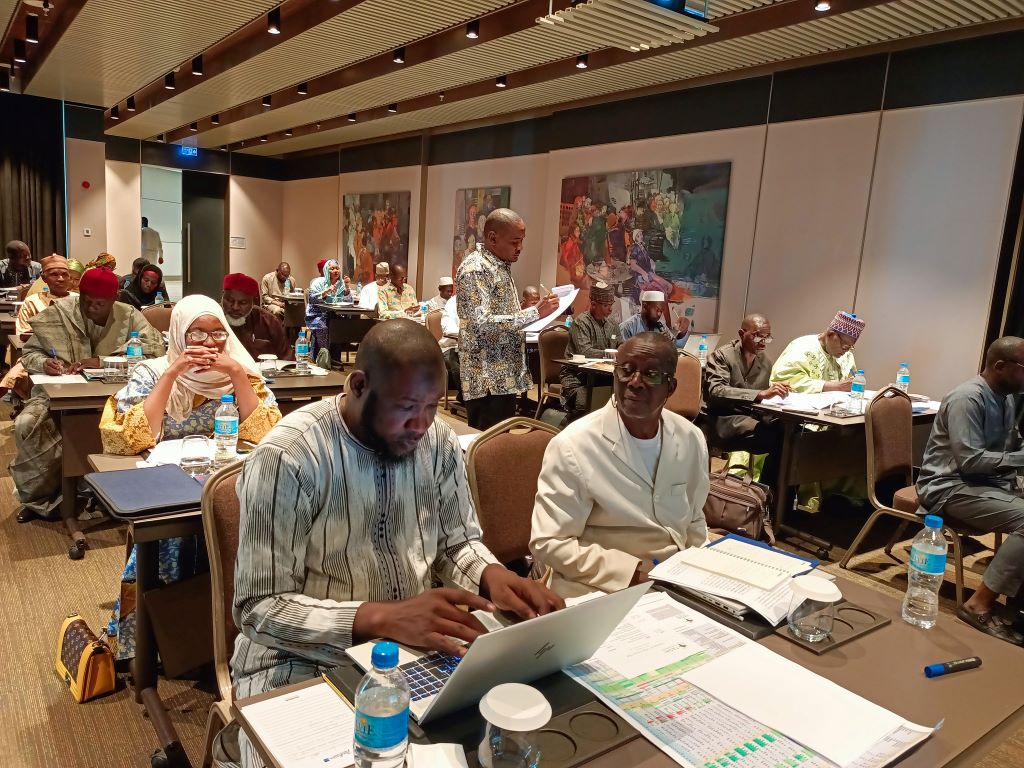
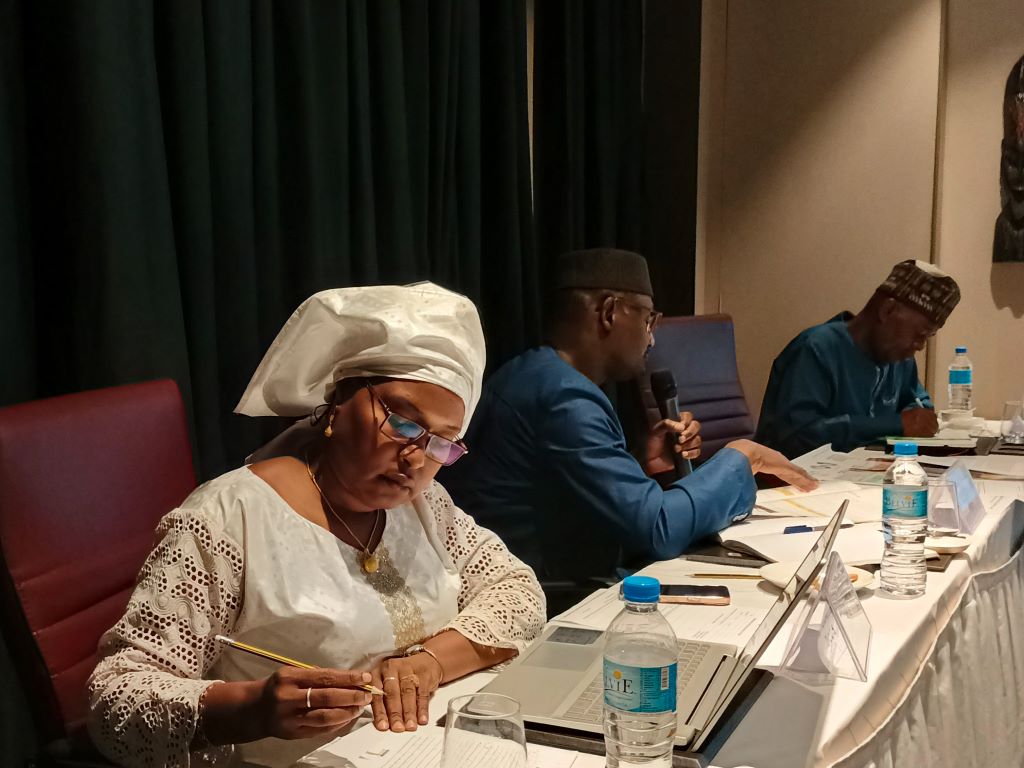
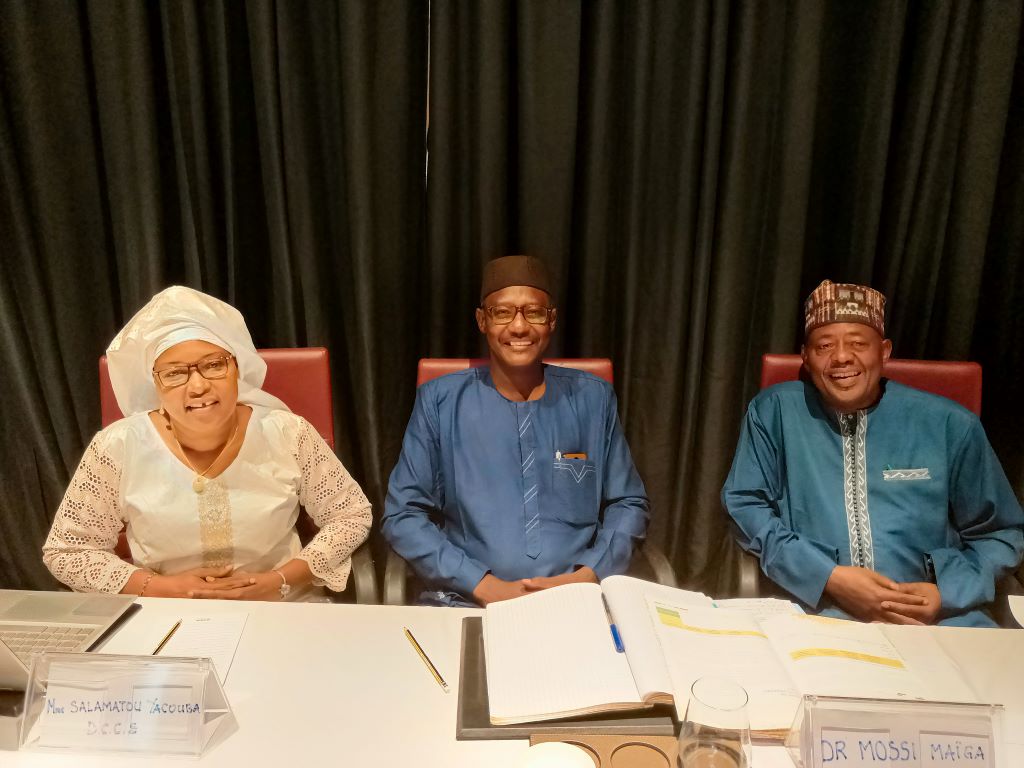
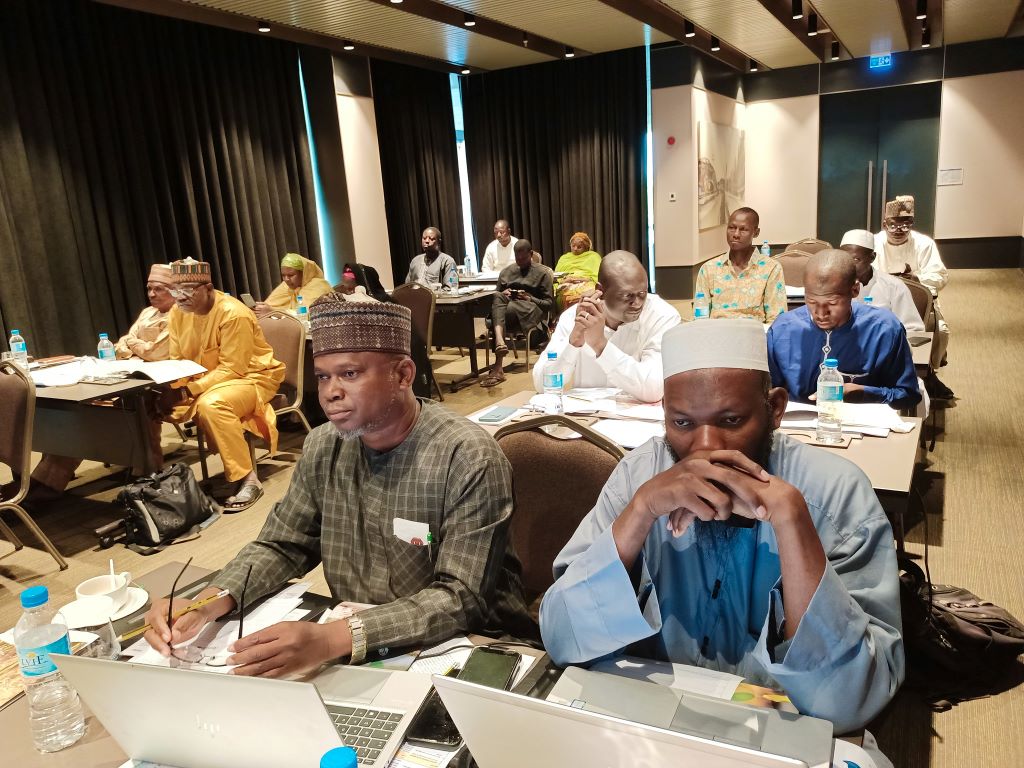
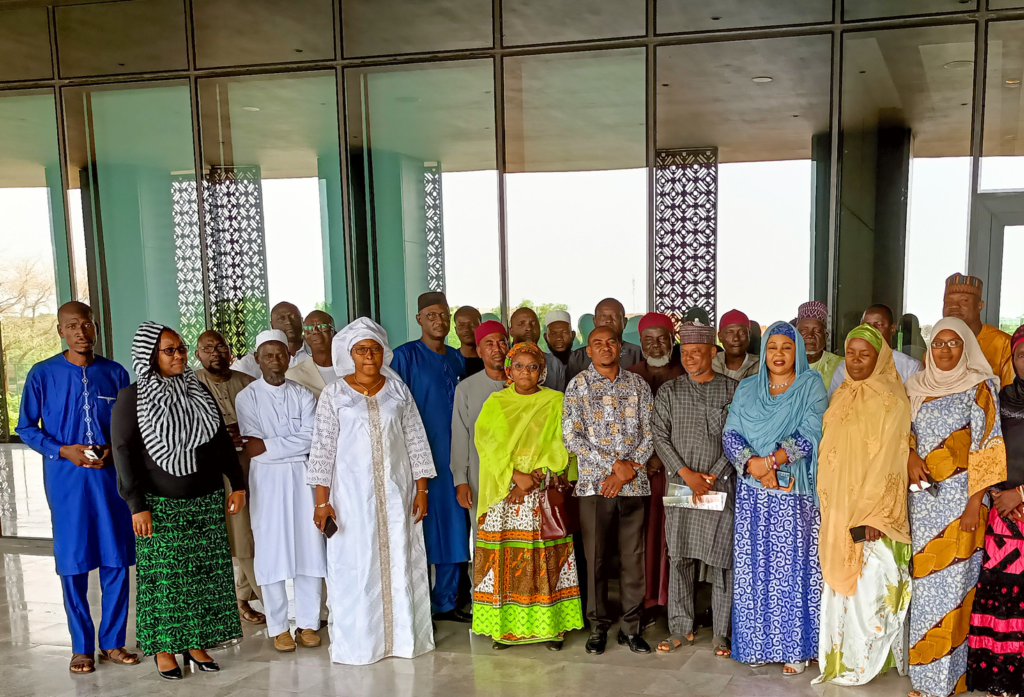
In 2022 TASAI conducted the first country study in Niger. A dissemination meeting to present and discuss the findings of the study was held on 19th July 2023 in Niamey. The meeting hosted thirty-one participants from government, research institutions, seed companies, and seed trade associations, and the International Fertilizer Development Centre (IFDC).
The 2022 study examined the status of Niger’s formal seed system and highlighted areas for improvement. Notable achievements of the seed sector in Niger include a well developed policy environment, the presence of a dynamic seed trade association, and a sufficient number of inspectors, a number of challenges curtail the development of the sector.
The main public research institute, Institut National de la Recherche Agronomique du Niger (INRAN), is constrained by inadequate funding for research and breeding infrastructure, such as irrigation facilities and greenhouses. Reflecting the challenges in the area of plant breeding, the varieties used by farmers are old, with the ages ranging from 20 to 43 years. The formal seed market is dominated by institutional buyers – chief among them the government’s subsidy program and non-governmental organizations (NGOs) – that buy seed and distribute it to farmers free of charge. While this may be helpful in the short-term, in the long run it hinders the development of a competitive, private sector-led seed system. The subsidy program also suffers from challenges in the transparency and predictability of the procurement process as well as from payment delays, which result in low seed quality.
While Niger’s seed policy and regulatory framework are in place and aligned with the ECOWAS seed regulations, the implementation of the seed regulations and Arrêtés (decrees) lags behind. A bright spot, Niger has a dynamic and operational national seed association, the Association des Producteurs Privés des Semences du Niger (APPSN). The Direction du Contrôle et de la Certification des Semences (DCCS) has 61 public seed inspectors: although the number is adequate to serve the country’s needs, the inspectors lack sufficient resources to inspect all seed fields during the production season. The public agricultural extension service does not have enough active officers. Recognizing the challenge, a new government initiative promotes collaboration between public, private, and non-governmental providers of agricultural extension services.