

SeedEqual workshop on inclusive access to improved seeds
July 3, 2023
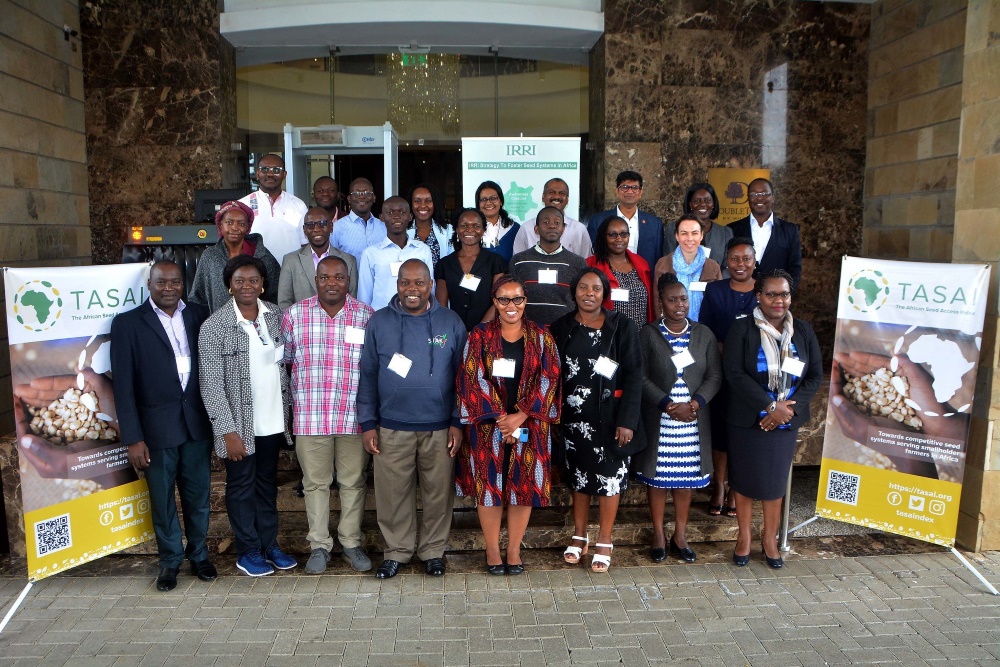
TASAI & Seed Equal host workshop on inclusive access to improved seeds
Seed Equal is an initiative by the Consultative Group for International Agricultural Research (CGIAR), a global partnership that unites international organizations and seeks to address the challenges associated with food, land, and water systems. Led by the International Rice Research Institute (IRRI) Work Package 6 of Seed Equal seeks to increase access to improved seeds by women, youth, and other marginalized smallholder farmers (collectively, ‘vulnerable groups’), most of whom are yet to experience the high rates of genetic gains offered by new crop varieties. In its first phase, the project’s primary focus is on Africa and Asia; expansion to other continents is in the plans for subsequent years. In 2022, TASAI Inc. partnered with Seed Equal to develop a measurement tool to track the level of inclusive access in a country’s seed sector.
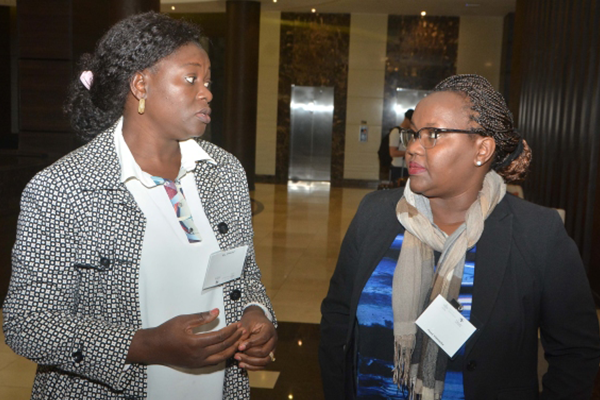
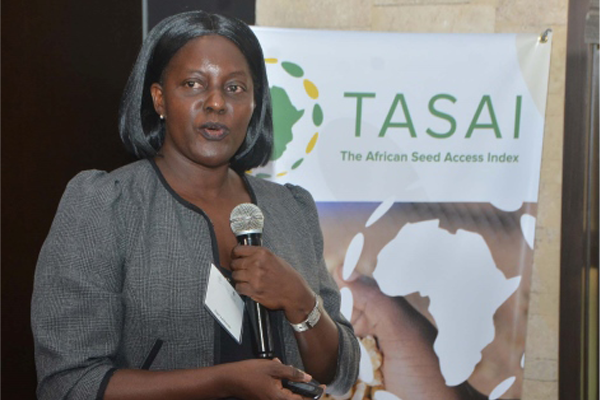
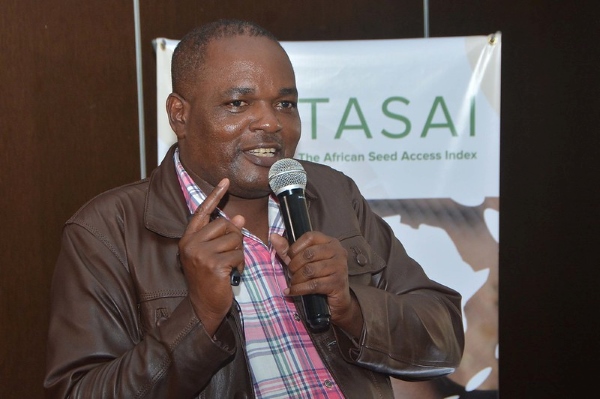
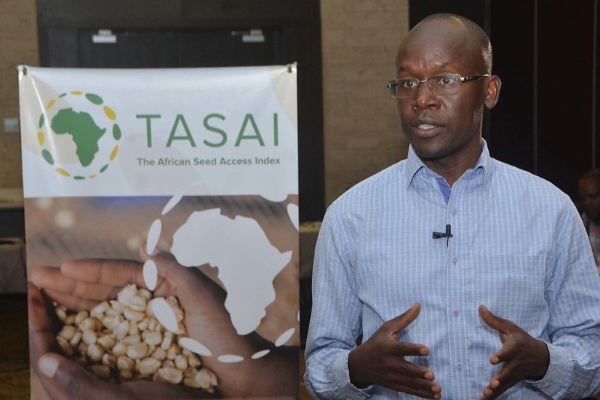
In early 2023, the team began to develop indicators that measure inclusive seed access. After multiple internal reviews, the TASAI and IRRI teams shared the proposed indicators for feedback and validation with a diverse group of seed sector stakeholders in a 3-day workshop starting on May 30, 2023 in Nairobi, Kenya. Thirty-one participants from Kenya, Uganda, Zimbabwe, and India attended the meeting, representing private seed companies, seed producer organizations, national seed trade associations, national gene banks, national and regional agricultural research and academic institutions. The workshop proved to be an insightful exchange, and participants’ ideas coalesced around a set of indicators that they felt could accurately assess that level of inclusive access to improved seeds.
The main point of consensus was that direct consultation with farmers in the target groups was imperative to the success of the project. As a result of this conclusion, the team expanded the original set of 10 indicators to 20 and indicated that data collection would also be expanded to farmer groups and individual farmers. The proposed indicators targeting farmers include willingness to pay for improved seed, access to finance/ credit, access to land for planting, the degree of engagement in community groups, proximity to agro-dealers or seed sellers, and access to/proximity to a model farmer.
In addition, the experts emphasized the need for intersectional analyses, which include correlations between age, gender, religion, and other social identities. They also called for crop-specific disaggregation of seed indicators as opposed to a single set of crop-neutral indicators. As the status of seed sectors varies by country, it will be important to consider the local context. For example, Quality Declared Seed is a class of seeds in Uganda, which does not exist in Kenya or Zimbabwe. Likewise, Kenya has Standard Seed, a seed category that does not exist in other countries. Both types of seeds and their producers are regulated by the government and will be important sources of data for the pilot studies. The participants also identified important policy-related indicators to add to the existing set and advocated for collaboration with Work Package 5 (Policies for varietal turnover, seed quality assurance and trade in seed).
Since the workshop, the TASAI team has embarked on the first of three pilot studies in Uganda, which will use the newly developed survey tools to gather data on the proposed indicators. Two more pilots in Kenya and Zimbabwe will follow shortly. The TASAI and Seed Equal teams look forward to sharing news about this important and exciting collaboration in the coming months.